Eastern North Carolina
Brick Repair and Repointing
Failing mortar joints, loose brick, and weather damage can turn a small masonry problem into a larger repair. The right fix starts with understanding why the masonry is deteriorating.
Request an Estimate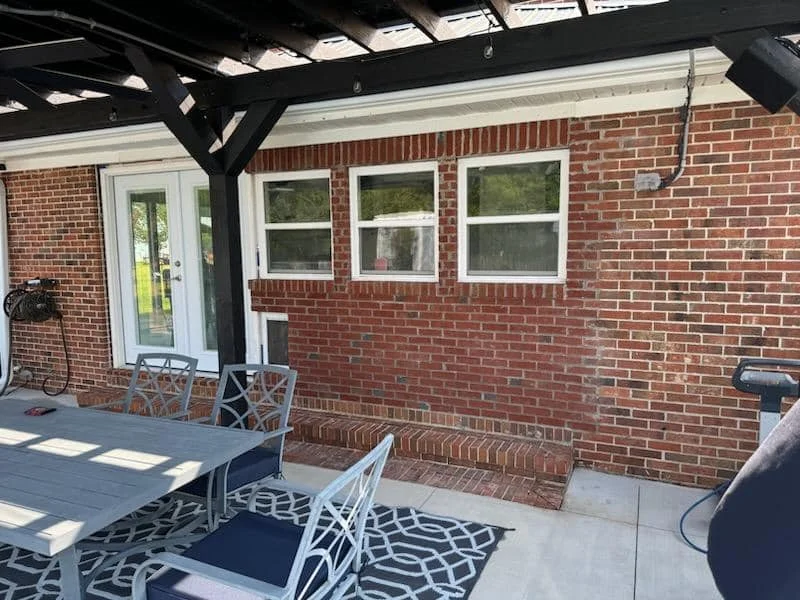
Signs your brickwork needs a closer look
Project scopes can include
Final recommendations depend on the condition, access, site, and intended use.
What shapes the recommendation.
Find the contributing problem
Water entry, failed flashing, blocked weeps, movement, and poor drainage can all contribute to masonry damage.
Match the existing assembly
Brick, mortar hardness, sand texture, color, and joint shape should work with the surrounding masonry.
Repair to sound material
Deteriorated mortar is removed to a consistent depth before compatible new mortar is packed and tooled.
Common questions about brick repair.
What is repointing?
Repointing removes deteriorated mortar from the face of a masonry joint and replaces it with compatible new mortar.
Can new mortar match the original?
A sample area can compare color, sand texture, hardness, and joint profile before the broader repair begins.
Will repointing solve every masonry leak?
Not always. Flashing, sealants, caps, weeps, roof transitions, and surrounding drainage may also need attention.
When does a crack need structural evaluation?
Cracks through brick, visible movement, bulging, or recurring separation may need an engineer or another qualified design professional before cosmetic work proceeds.
Talk through your brick repair project.
Share the property location and what you want repaired, replaced, or newly installed.