When Brick Mortar Needs Repointing
Learn what deteriorated mortar looks like, why compatibility matters, and when movement calls for a broader evaluation.
Start with the condition of the joint
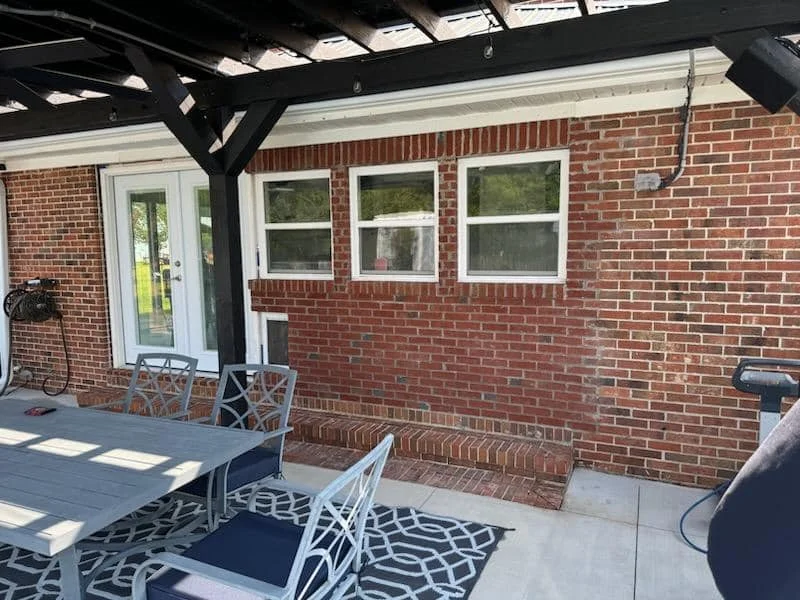
Mortar is intended to weather, but open joints can admit more water and accelerate damage. Common warning signs include crumbling surfaces, missing material, cracks, and joints that have eroded back from the face of the brick.
A repair should reach sound mortar. Smearing a thin layer over loose material may hide the problem briefly without restoring the joint.
Compatibility matters
New mortar should work with the existing brick and masonry. Mortar that is much harder than older, softer brick can transfer stress into the units and contribute to cracking or flaking.
Color is only one part of a match. Sand, texture, hardness, and the finished joint profile also affect the result.
Look for the water source
Repointing alone may not solve a recurring leak. Flashing, sealants, caps, weeps, roof transitions, and site drainage can all influence how water reaches the wall.
Bulging, substantial movement, and cracks through the brick may need professional structural evaluation before surface repairs begin.